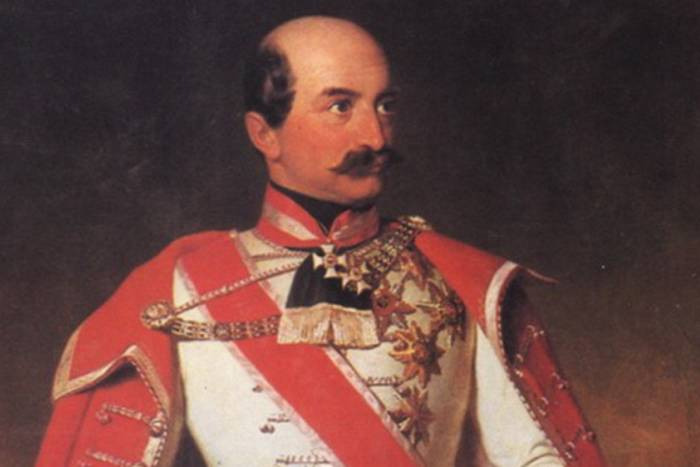
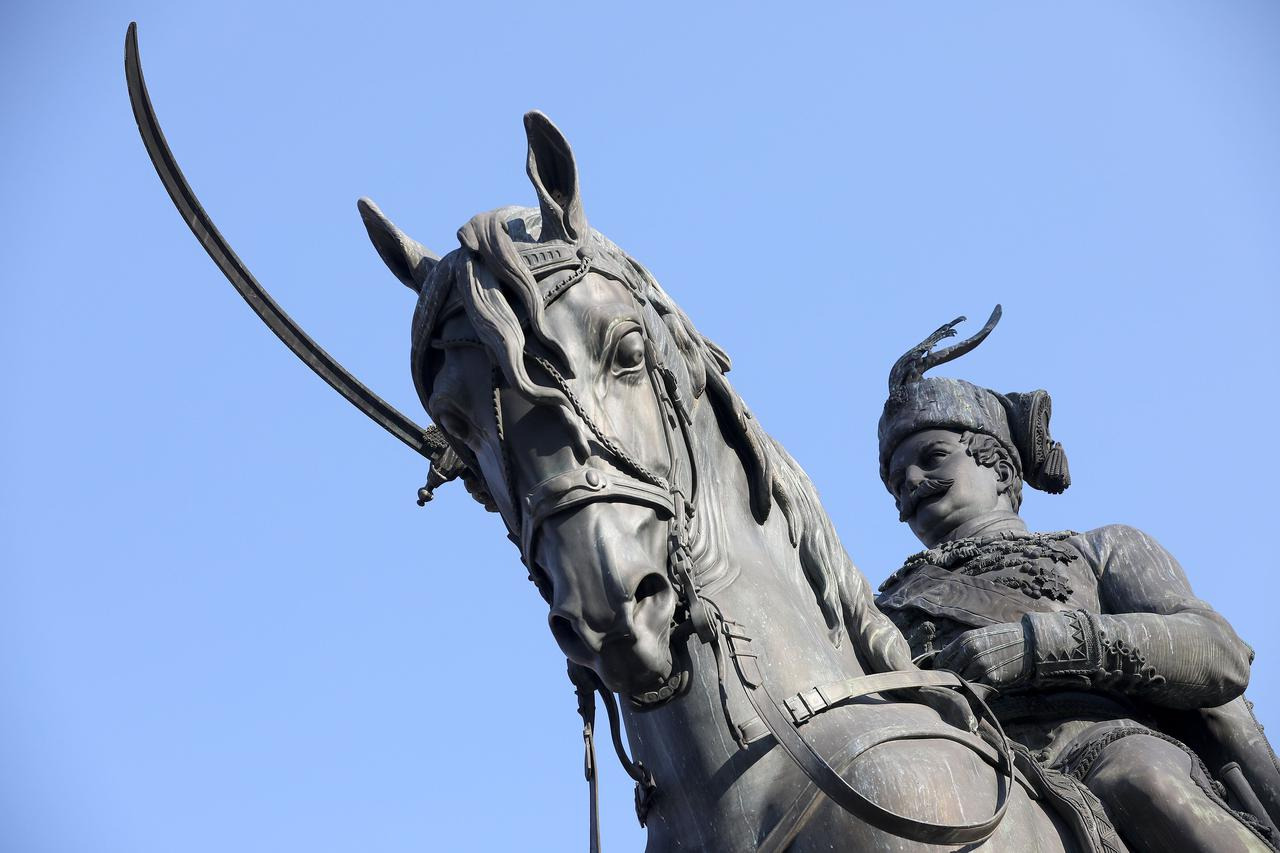
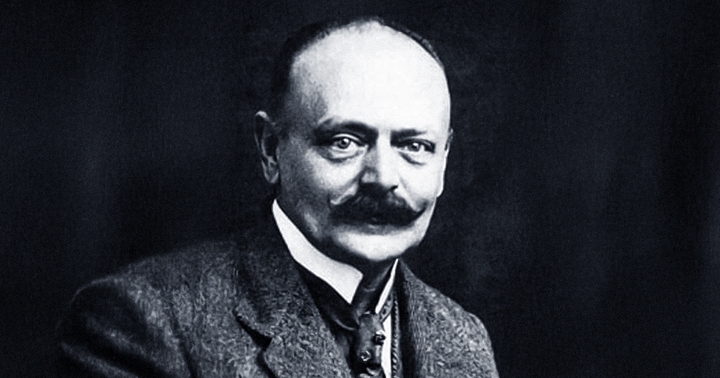
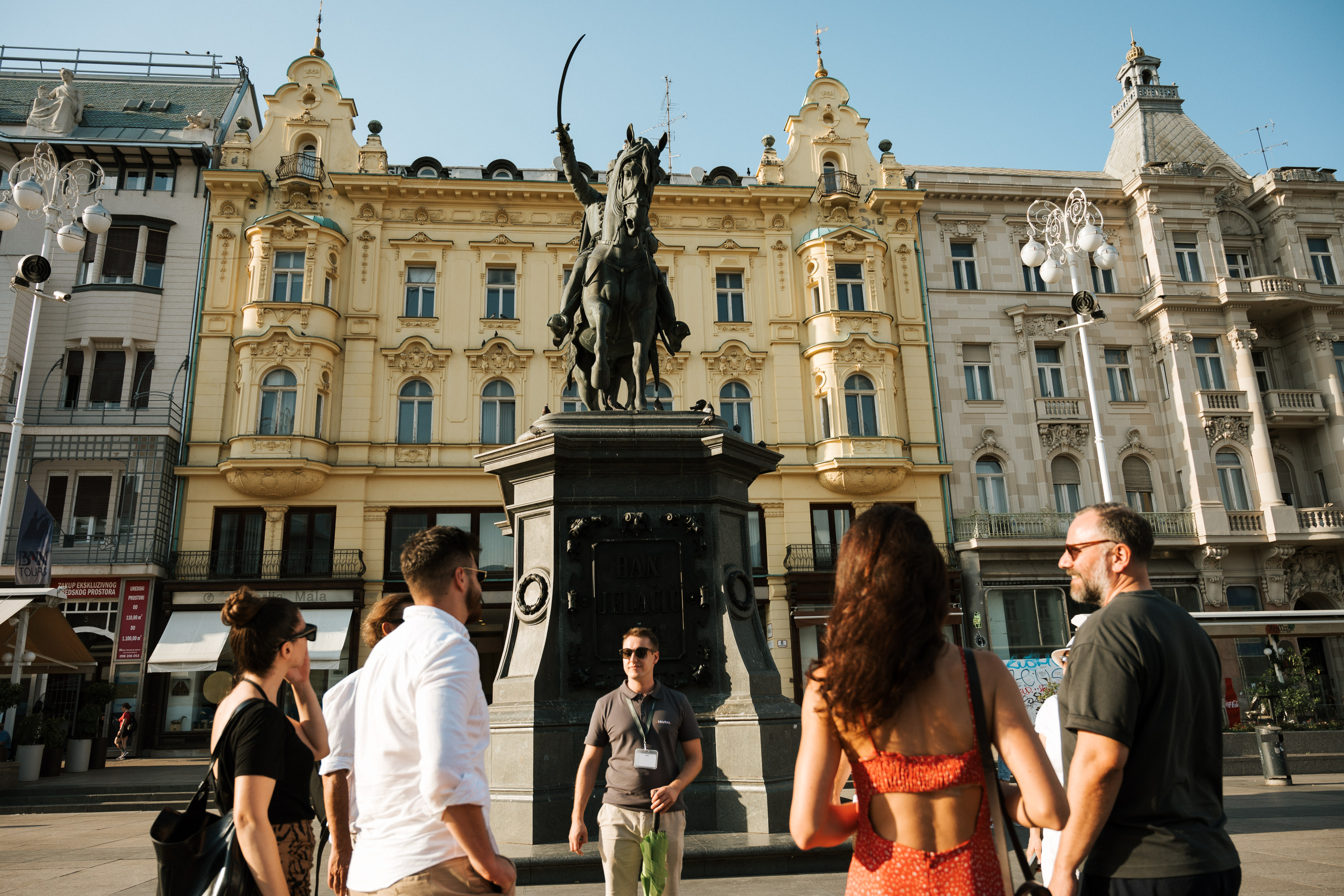
In the heart of Zagreb, presiding over the city’s most famous square, stands an equestrian statue of a man with a raised saber. This is Ban Josip Jelačić, a figure who transcends mere political history to serve as a cornerstone of Croatian national identity. For Croatians, Jelačić is not just a 19th-century general; he is the "Ban" (Viceroy) who navigated the nation through the "Spring of Nations" and fundamentally reshaped the country’s social and political landscape.
Every citizen of Zagreb is familiar with the Ban Jelačić square, not only because it is the main square in the city, but because it truly is the heart of Zagreb. The uniting point where the old meets the modern. The statue of Ban Jelačić is a symbol of Zagreb but also a symbol of Croatian independence through history.
The man behind the myth
People often get confused about the meaning of the word “ban” but in simplest terms it means someone with the same authority presidents wield today. Ban Josip Jelačić was not only an important figure to Croatia in a very tumultuous time but he soon became a symbol of Croatia's never ending fight for its independence.
Ban Jelačić came to power in a time where Croatians had very little rights. Not only that but their territory did not even belong to them. Also peasants that worked on farms trying to feed their families were not actually free. They worked under the rule of the Hungarian government.
A Catalyst for Social Justice
Perhaps his most enduring legacy, and the reason he is revered by the common people, was his abolition of serfdom in 1848. During a period of intense revolutionary fervor across Europe, Jelačić took the bold step of ending the feudal system in the Triune Kingdom of Croatia, Slavonia, and Dalmatia. By doing so, he transformed a population of peasants into free citizens, effectively laying the groundwork for a modern civil society. This act was more than a legal change; it was a moral statement that cemented his reputation as a protector of the people.
Ban Jelačić led many battles against the Hungarians and other forces trying to take away the freedoms of the Croatian people. Known for his efforts to abolish serfdom and for leading Croatian troops against Hungarian revolutionaries during the turbulent years of the Revolutions of 1848, Jelačić became a symbol of Croatian autonomy and identity.
Defending National Autonomy
Jelačić’s importance also stems from his role as a military leader and a diplomat during the 1848 Hungarian Revolution. At a time when Hungarian nationalism threatened to assimilate Croatian culture and language, Jelačić stood firm. He led Croatian forces to defend the nation's right to its own identity, language, and administration. While the geopolitical alliances of the time were complex, often seeing him align with the Austrian Habsburgs to counter Hungarian expansion, his primary motivation remained the autonomy of the Croatian lands. He was a pragmatist who understood that for Croatia to exist in the future, it had to survive the pressures of its more powerful neighbors in the present.
A Symbol of Unity and Resilience
Even after his death in 1859, Jelačić remained a potent symbol. The Croatian people loved Ban Josip Jelačić so much it was decided that his statue would be raised in what was now developing into the main square in Zagreb. The statue was created by the renowned Austrian sculptor Anton Dominik Fernkorn and unveiled on October 16, 1866. This was a perfect way to honor the Ban of Croatia who was in power from 1848 to 1859. During the era of Yugoslavia, his statue was removed from the main square in an attempt to suppress Croatian national sentiment. However, its triumphant return in 1990 became a focal point for the birth of the modern, independent Republic of Croatia.
Today, Jelačić represents the resilience of the Croatian spirit. He is the "People's Ban," a man who bridged the gap between the old aristocratic world and the modern era of self-determination. For anyone looking to understand the pride of the Croatian people, one must only look to the man on the horse in the center of Zagreb: a symbol of freedom, unity, and the enduring quest for sovereignty.
Siéntete libre de llamarnos en horario laboral de lunes a viernes (8:00 - 16:00 EST). Nuestro equipo estará encantado de ayudarte a responder tus preguntas.










.jpg)


.png)


.jpg)


.jpg)


