The Cathedral of the Assumption of the Blessed Virgin Mary, standardly known as the Zagreb Cathedral, is the defining feature of Croatia’s capital skyline. Located in the historic Kaptol district, its soaring twin spires are visible from almost every corner of the city. More than just a spectacular piece of architecture, the cathedral serves as the spiritual heart, cultural anchor, and historical compass of Zagreb.
The Soul of the Capital and Cultural Heritage
For centuries, the Zagreb Cathedral has been a monument to Croatian identity and resilience. Its origins date back to 1094 when King Ladislaus I founded the diocese. Over the centuries, the structure underwent numerous transformations. It was destroyed by the Mongols in 1242, rebuilt in a grand Gothic style, and later fortified with heavy stone walls to protect it from Ottoman raids. Architecturally, it is recognized as the most monumental sacral building of Gothic and Neo-Gothic architecture southeast of the Alps. Beyond its structural grandeur, the cathedral acts as a repository of immense cultural heritage. It houses invaluable medieval treasures, including a 13th-century cloak of St. Ladislaus and a world-renowned 6,000-pipe organ. For the people of Zagreb, it is an irreplaceable piece of their collective memory.
A Tale of Two Earthquakes
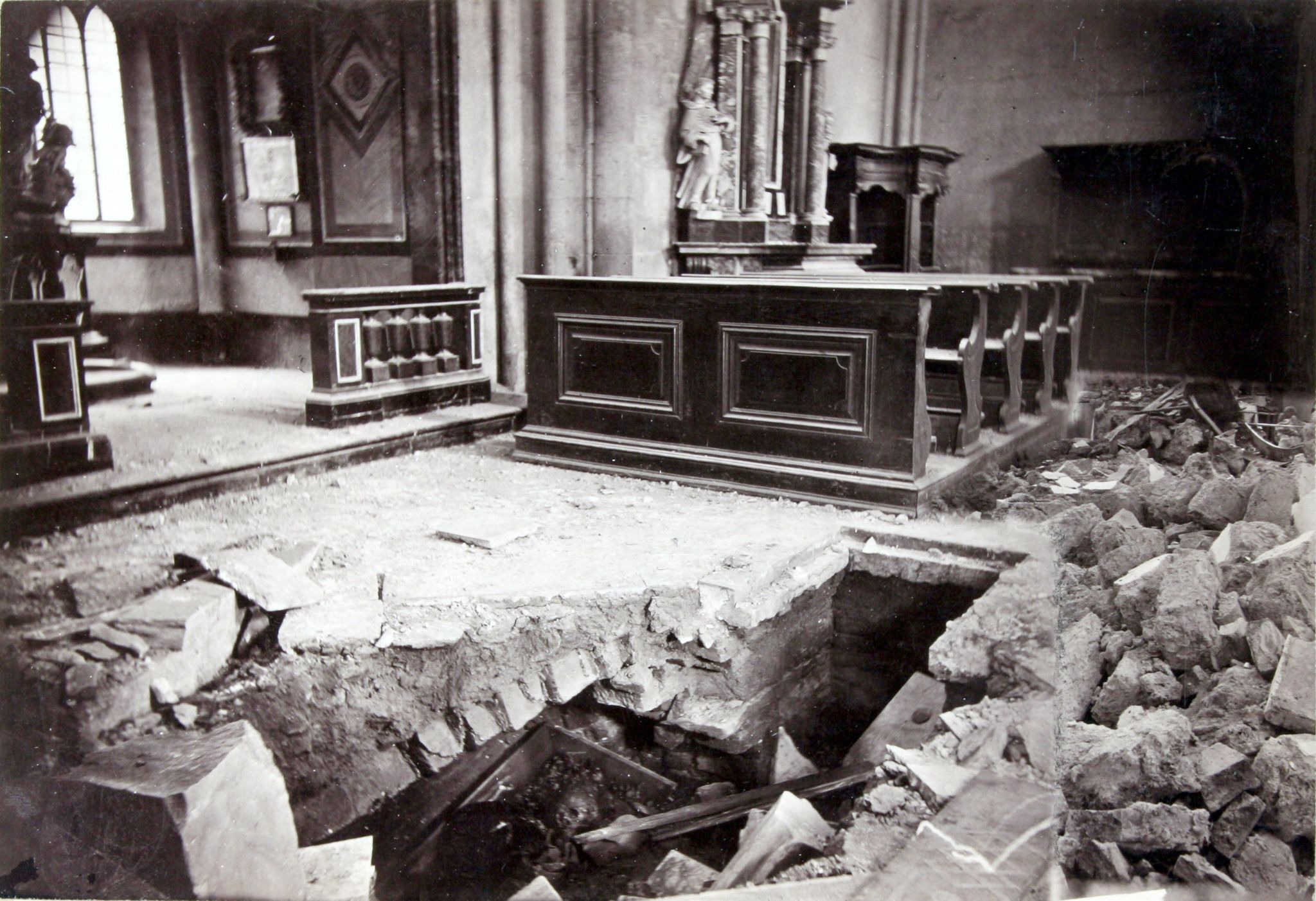
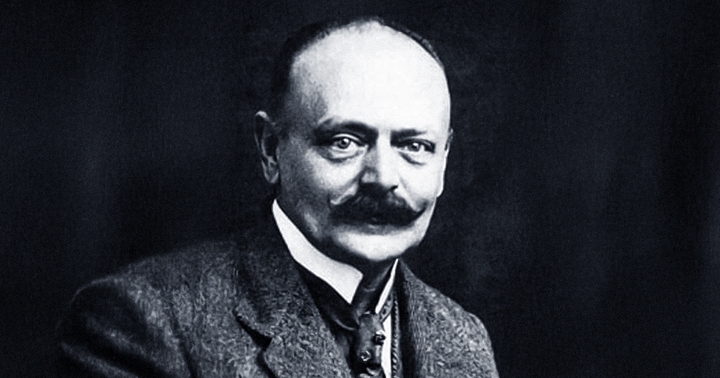
The destiny of the cathedral has been fundamentally shaped by seismic activity. The building's current Neo-Gothic appearance is actually the result of a devastating 5.5-magnitude earthquake that struck Zagreb in 1880. The disaster collapsed the cathedral’s main nave and destroyed its original bell tower. The city commissioned the famous architect Hermann Bollé to lead a massive reconstruction project. Bollé added the iconic, 108-meter-tall twin spires that came to define modern Zagreb. To honor this history, the old clock on the cathedral's facade was permanently stopped at 7:03 AM, the exact moment the 1880 tremor hit.
History tragically repeated itself 140 years later on March 22, 2020, when a 5.3-magnitude earthquake shook the capital once again. The tremors caused severe structural damage: the tip of the southern spire snapped off and crashed onto the adjacent Archbishop’s Palace. Weeks later, in a tense, highly coordinated engineering operation, controlled explosives were used to safely remove the leaning northern spire to prevent a catastrophic collapse. The interior vaults suffered widespread cracking, forcing the immediate closure of the building.
The Impact on Tourism
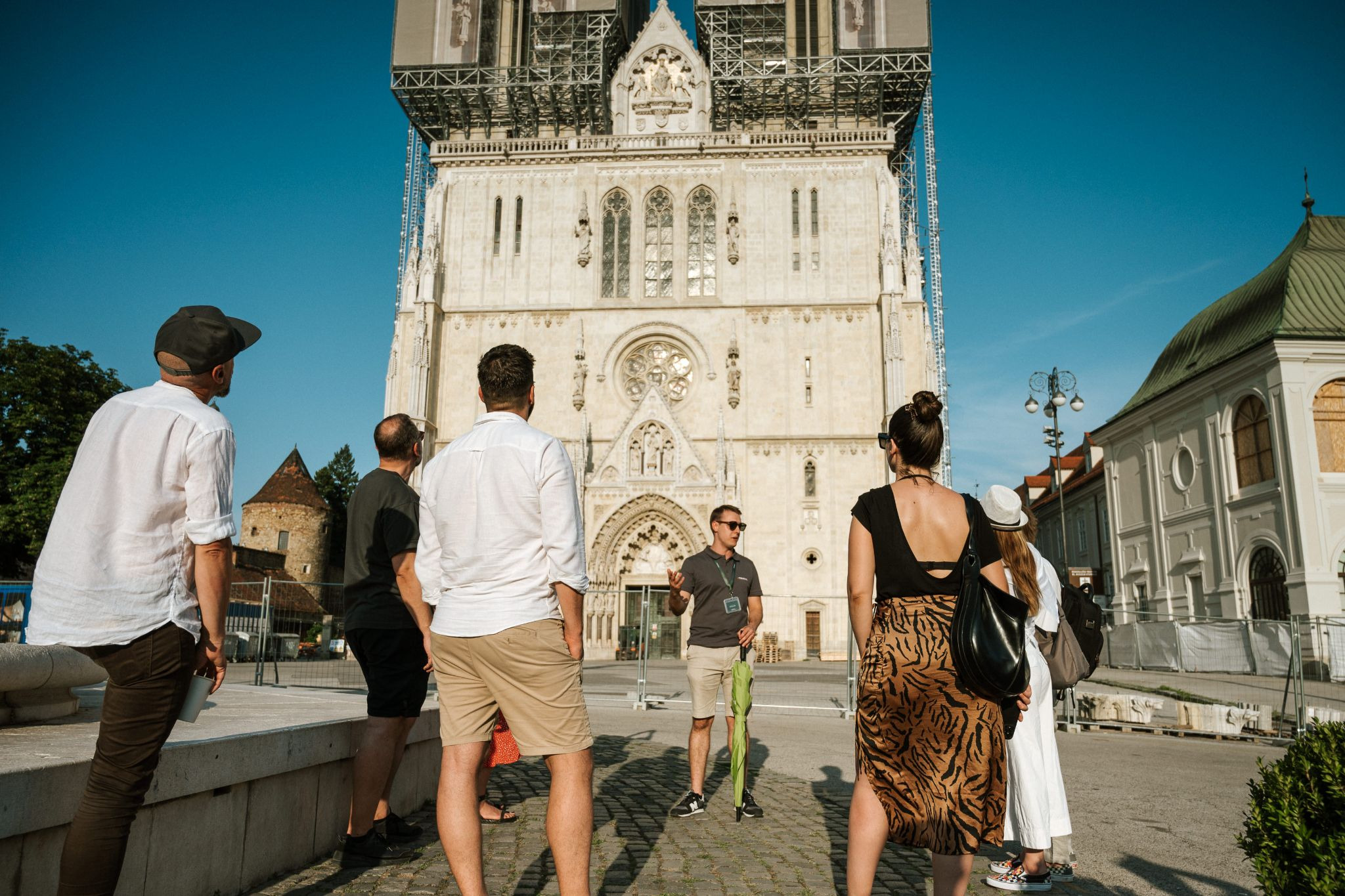
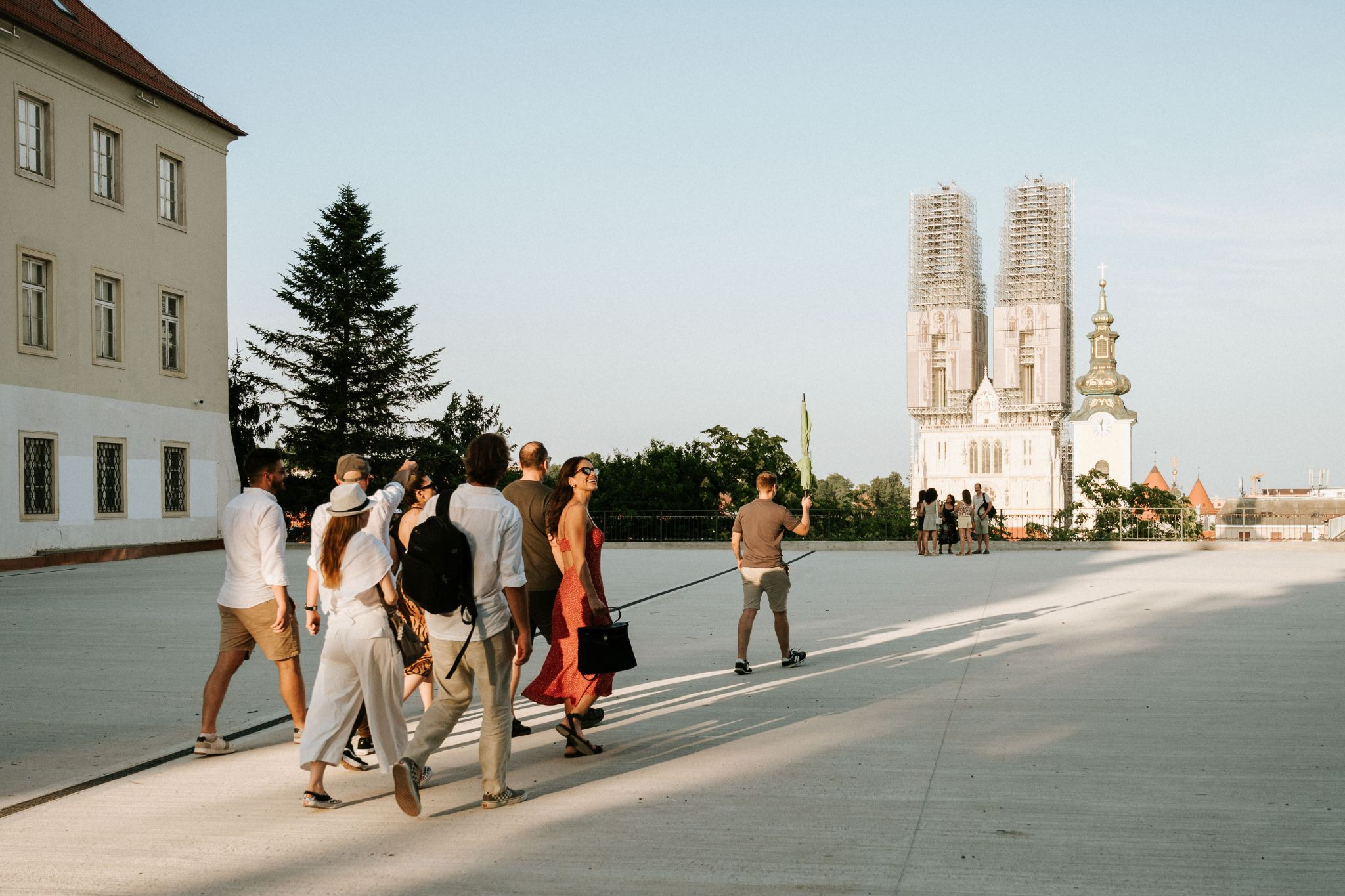
The closure of the cathedral after the 2020 disaster dealt a heavy blow to Zagreb’s tourism sector. As the city’s top sightseeing attraction, its absence left a void in the cultural itinerary of millions of visitors. For years, tourists could only view the cathedral from behind fences and scaffolding, with cranes dominating the skyline instead of the elegant spires.
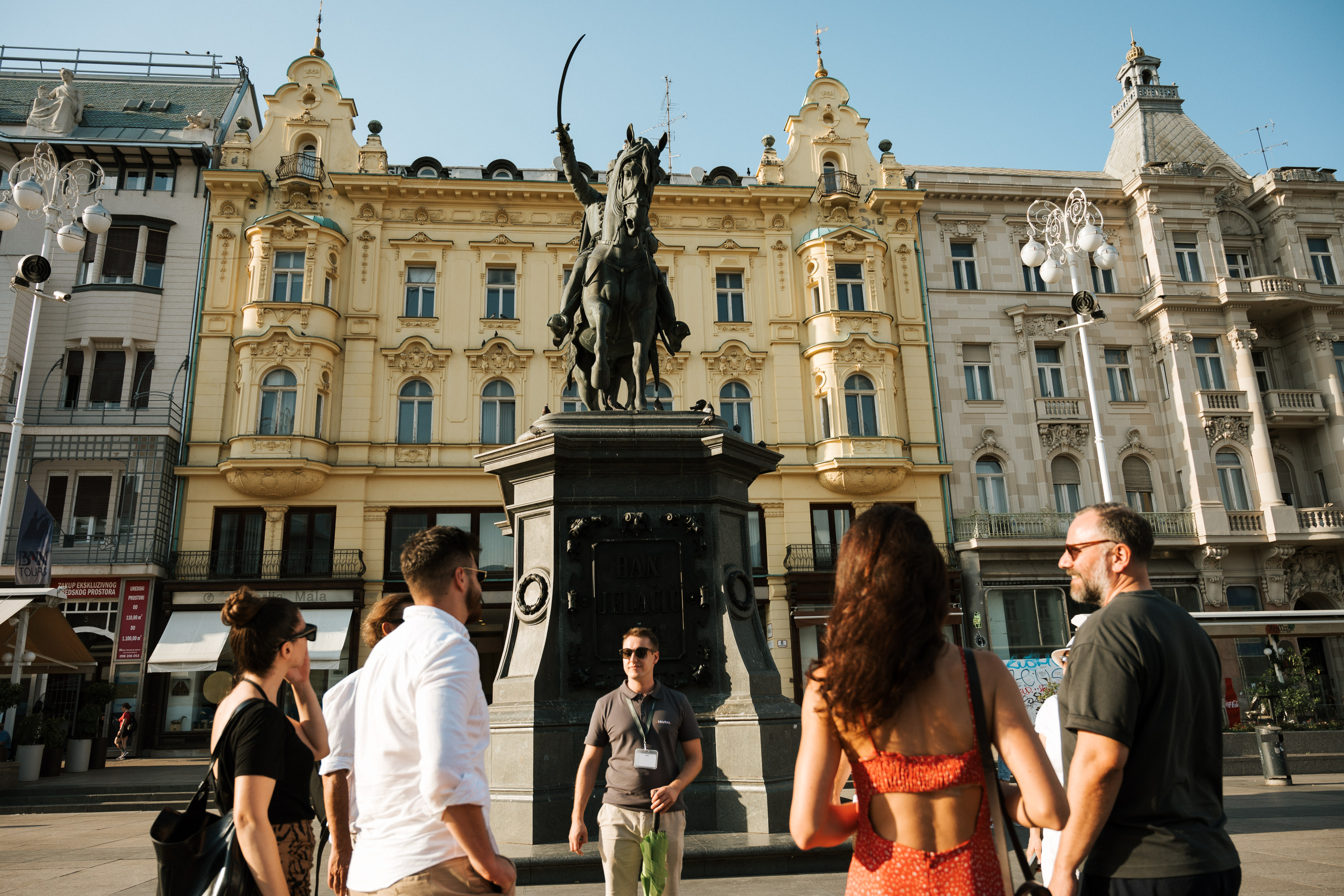
The loss went beyond aesthetics. The cathedral is located steps away from the bustling Dolac Market and Ban Jelačić Square, acting as the starting point for walking tours. Its closure limited foot traffic in the Kaptol area and silenced the legendary acoustics that used to host world-class classical concerts, deeply impacting the cultural vibe of the city center.
Rising from the Rubble: The Reopening
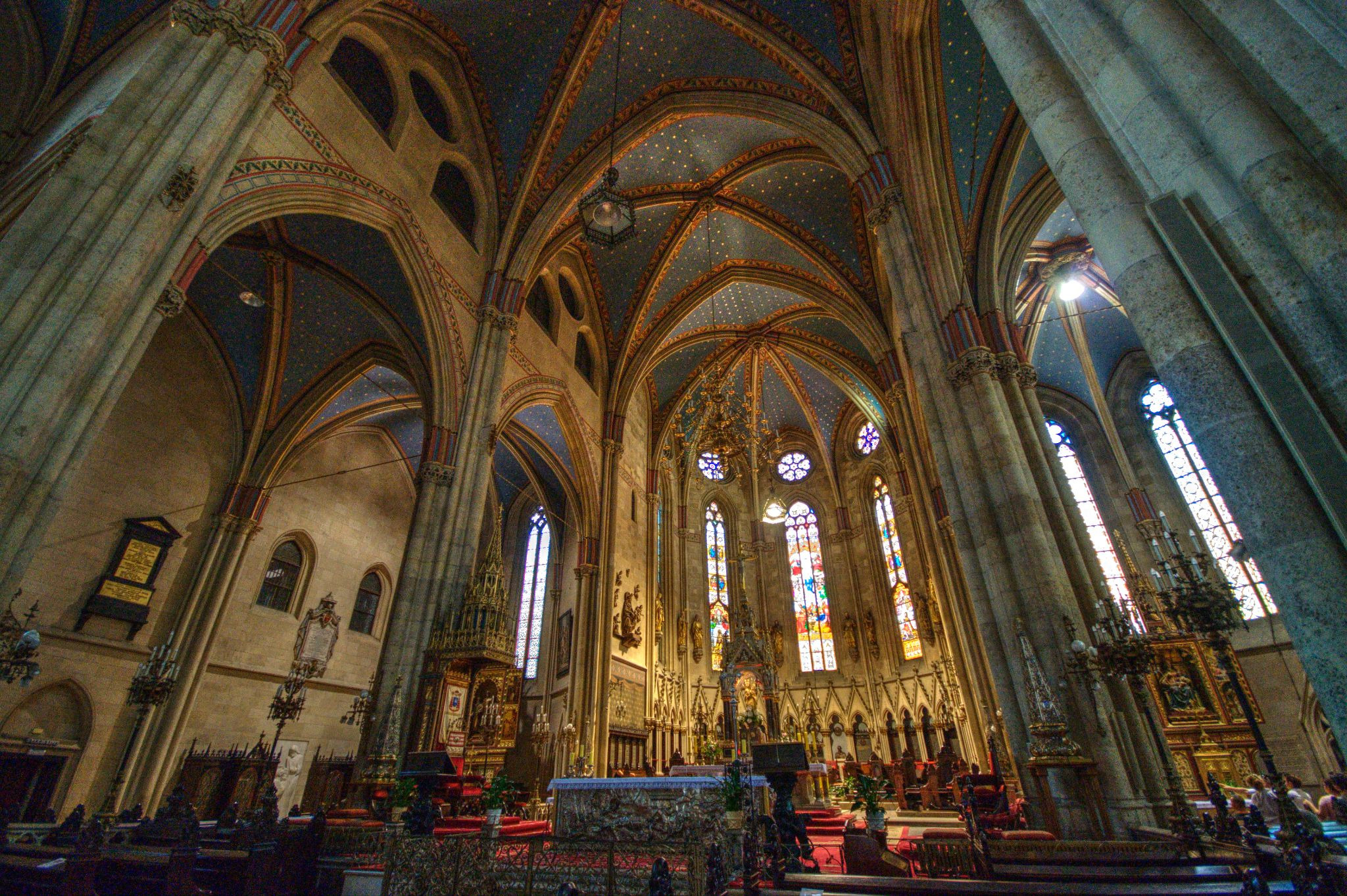
After nearly six years of meticulous, highly complex engineering work, regarded by international experts as one of the most demanding monumental heritage restorations in the world, the Zagreb Cathedral has finally returned to its people. The structural engineers achieved a historic milestone by reinforcing the ancient vaults and towers, making the cathedral mechanically stronger and more earthquake-resistant than ever before. This allowed the cathedral to host a highly symbolic Midnight Mass, marking its spiritual return.
The interior of the Zagreb Cathedral is now officially open to the public daily from 08:00 to 19:00, with Sunday Holy Mass held at 10:00. While exterior conservation works continue on the facade, visitors can finally step back inside to marvel at the breathtaking architecture and listen to the magnificent organ. Additionally, future plans include opening the 85-meter tower viewpoints and a 40-meter viewing platform that has been closed since the 1950s. The spires may still wear their scars, but Zagreb’s grand guardian is officially back to welcome the world
Siéntete libre de llamarnos en horario laboral de lunes a viernes (8:00 - 16:00 EST). Nuestro equipo estará encantado de ayudarte a responder tus preguntas.










.jpg)


.png)


.jpg)


.jpg)


